
What Medical Professionals May My Child with GAND Need?
Your Child's Care and Support Pathway
Understanding Your Child's Needs
Every child with GAND is different, so their healthcare and therapy needs will vary. Some children may need support from several medical specialists, while others may require fewer appointments and interventions. Their needs can also change as they grow and develop.
Many babies and children with GAND experience feeding and swallowing difficulties and low muscle tone. Others may experience seizures, epilepsy or additional developmental challenges. Children also reach milestones such as sitting, standing and walking at different stages.
There is no single care pathway that works for everyone. The most important thing is making sure your child receives the right assessments, medical care and therapies for their individual needs.
The Role of Your Community Paediatrician
Your Community Paediatrician is an important part of your child's care team. They can help coordinate medical assessments, arrange referrals to specialists and connect you with local support services.
As GAND is a very rare condition, your paediatrician may not have come across it before. Sharing this guide and the latest research findings from our Resources page can help them learn more about the condition and understand some of the health considerations associated with it.
You know your child better than anyone, and your observations and experiences are an important part of their care. Unfortunately, there isn't always one central point of contact within the NHS or social services, so you may sometimes need to speak up to make sure your child's needs are recognised and addressed.
Your GP can also support you as a parent, including discussing referrals for counselling or other support if you are finding things difficult.
Early support can make a difference. We recommend arranging an appointment with your Community Paediatrician as soon as possible following diagnosis. They can help establish a care plan and discuss which assessments and therapies may benefit your child. Many supportive therapies can also begin before a formal GAND diagnosis, where developmental needs have already been identified.
Which Medical Specialists Might My Child Need?
The specialists involved in your child's care will depend on their symptoms, age and individual needs. Not every child will need to see every specialist listed below.
The following recommendations are based on guidance from GAND expert Dr Tyler Pierson, MD, PhD. They are intended to help you understand which assessments and referrals you may wish to discuss with your GP or Community Paediatrician.
Paediatric Neurologist
A paediatric neurologist specialises in conditions affecting the brain, nerves and nervous system. They can assess your child's development, investigate neurological symptoms and help manage conditions such as seizures and epilepsy.
An MRI scan of the brain may be recommended to look for any structural differences. Some children with GAND have a normal MRI, while others may show changes such as:
Ventriculomegaly: Enlarged fluid-filled spaces within the brain.
Increased extra-axial fluid: An increased amount of fluid in the spaces surrounding the brain.
Changes to the corpus callosum: Differences in the structure connecting the two sides of the brain.
Changes to the white matter: Differences in the brain tissue that helps messages travel between different areas.
The results of any investigations will help determine whether your child needs ongoing monitoring and specialist support.
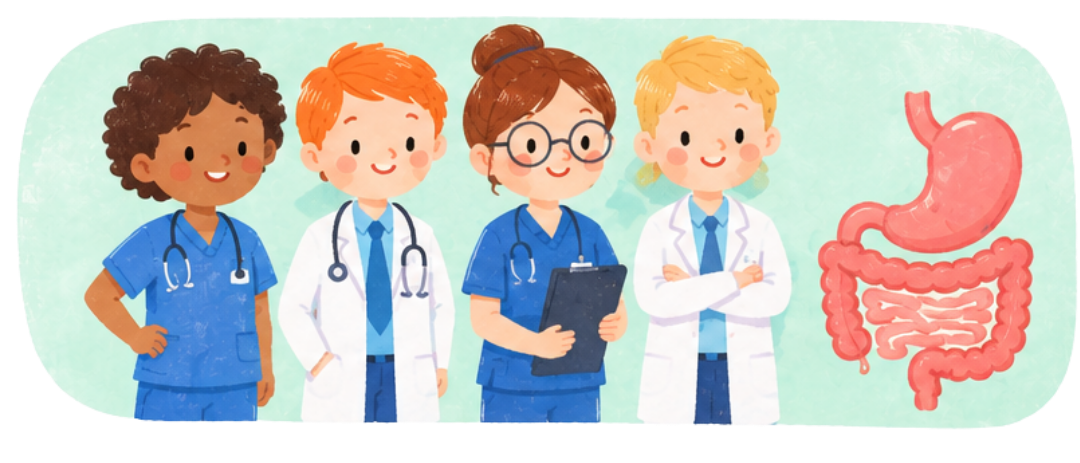
Paediatrician and Gastroenterology Team
Gastroesophageal Reflux Disease (GERD) is commonly reported in babies with GAND, although the severity can vary.
GERD occurs when stomach contents flow back into the oesophagus (the tube connecting the mouth to the stomach). This can cause discomfort, feeding difficulties and problems with weight gain.
Depending on your child's symptoms, medication or other treatment may be recommended. Children with more severe reflux or ongoing digestive difficulties may need a referral to a paediatric gastroenterologist, a specialist in children's digestive health.
A feeding and swallowing assessment can help identify any difficulties and establish whether additional support is needed.
Cardiologist
A cardiologist specialises in the heart and circulation. A small number of children with GAND have been found to have congenital heart differences (heart conditions present from birth). One example is a bicuspid aortic valve, where the valve has two flaps instead of the usual three.
An echocardiogram (an ultrasound scan of the heart) may be recommended to check the structure and function of your child's heart. Depending on the findings, further investigations or treatment may be needed. Discuss whether a cardiology assessment is appropriate for your child with your Community Paediatrician.
Feeding and Swallowing Team (Dysphagia Team)
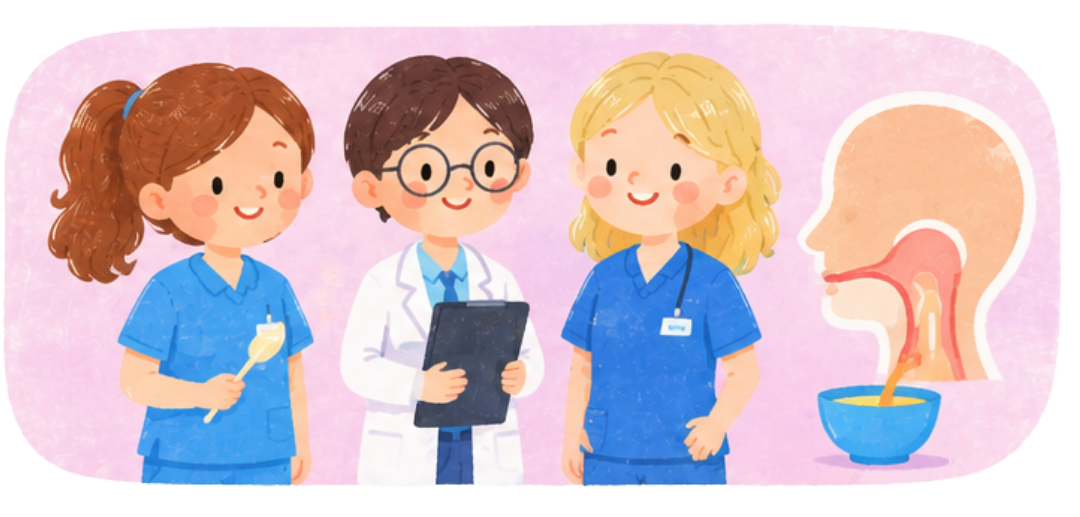
Feeding and swallowing difficulties are common in babies and young children with GAND. These difficulties can sometimes increase the risk of food or drink entering the airway rather than travelling safely into the stomach. This is known as aspiration.
A feeding and swallowing assessment can help identify any difficulties and establish whether additional support is needed.
In some cases, a videofluoroscopy (a moving X-ray assessment) may be recommended. This allows specialists to observe how food and drink move through the mouth and throat when your child swallows.
The results can help the team develop an appropriate feeding plan and discuss any changes or additional support that may be needed.
Nutritionist or Paediatric Dietitian
Some children with GAND experience reflux, food aversions and difficulties with chewing and swallowing. These challenges can make it harder to get enough nutrients and maintain healthy growth.
A paediatric dietitian can assess your child's nutritional needs and recommend suitable foods, meal plans or supplements where appropriate.
Your Community Paediatrician may also arrange blood tests to check vitamin and mineral levels, particularly iron, calcium and vitamin D, if ongoing monitoring is needed.
Orthopaedic Specialist
Bone health is an area that needs further research in relation to GAND. Some children have been reported to experience repeated fractures, osteopenia (lower-than-normal bone density) and osteoporosis (weakened bones). Researchers are still working to understand why these problems occur and how commonly they affect individuals with GAND.
A specialist may recommend a DEXA scan, which measures bone density, to assess bone health where appropriate.
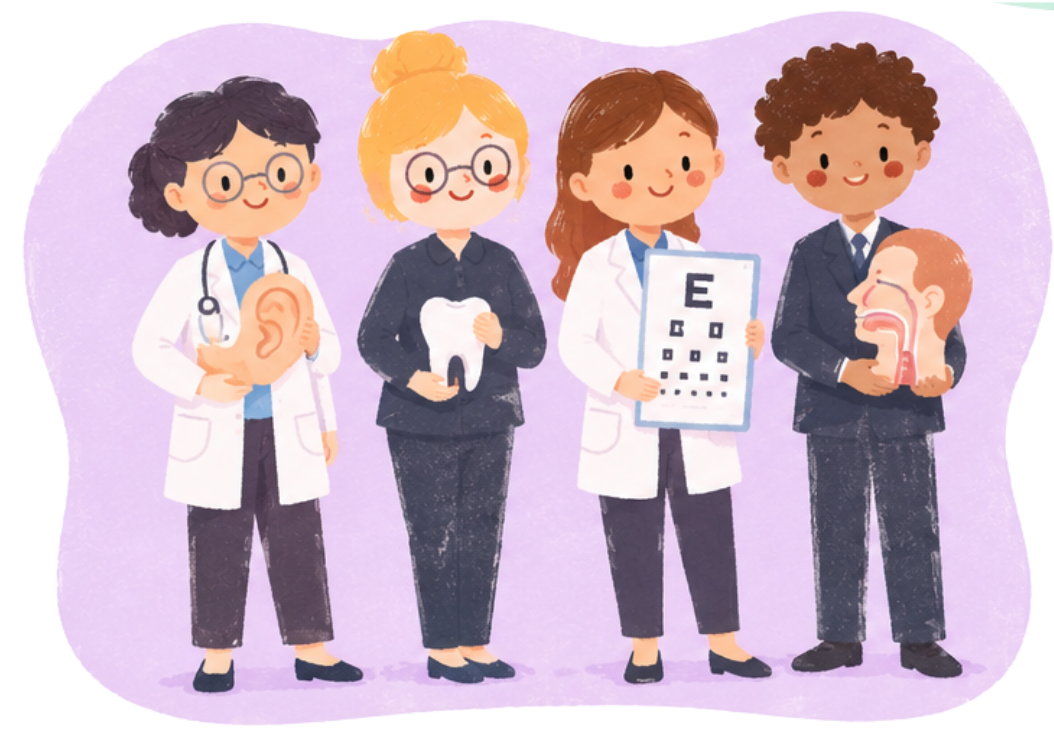
Ophthalmologist (Eye Specialist)
Some children with GAND experience vision-related difficulties. These may include:
Strabismus: A squint, where the eyes do not look in the same direction.
Astigmatism: A common condition affecting the shape of the eye, which can cause blurred vision.
Anisocoria: A difference in the size of the pupils.
Regular eye examinations can help identify any changes in vision. An ophthalmologist can also assess the optic nerves and recommend treatment or monitoring where necessary.
ENT Specialist
An Ear, Nose and Throat (ENT) specialist can assess problems affecting your child's ears, nose and throat.
Some children with neurodevelopmental conditions experience issues such as enlarged tonsils or adenoids, sleep apnoea (repeated pauses in breathing during sleep) and noisy breathing.
These problems are not necessarily directly related to GAND, but it is important to investigate any concerns and seek advice where needed.
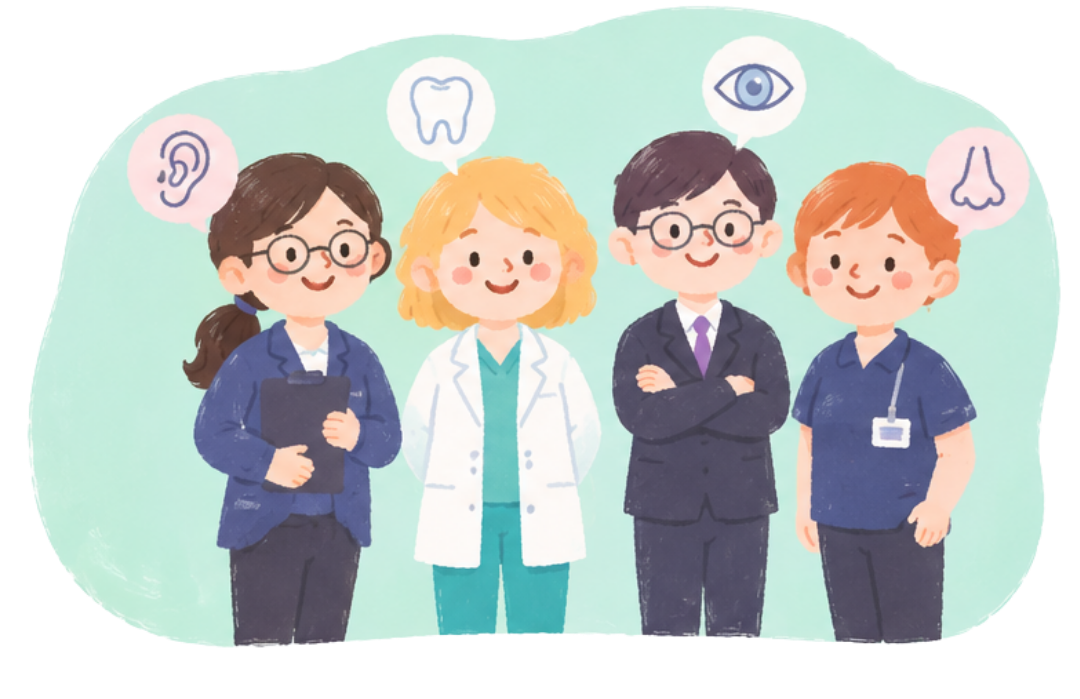
Audiologist (Hearing Specialist)
Hearing difficulties have been reported in a small number of children with GAND, although most are not known to have hearing impairments.
A hearing assessment can help identify any issues and ensure that your child receives appropriate support if needed.
Paediatric Dentist
Good dental care is important for every child, and regular dental appointments are recommended.
Some children with GAND may experience difficulties with dental visits due to sensory sensitivities, a sensitive gag reflex or anxiety around examinations.
Teeth grinding has also been reported in some children, along with occasional differences in the appearance or development of their teeth. More research is needed to understand whether these dental features are directly associated with GAND.
A paediatric dentist can help make dental appointments more comfortable and recommend appropriate care.
Other Health Considerations
A small number of children with GAND have also been reported to have genital or reproductive differences, including hypospadias, uterine abnormalities and inguinal hernias (hernias in the groin area). These are not common features of GAND, but they are worth being aware of. If any concerns are identified, your Community Paediatrician can arrange a referral to the appropriate specialist.
Therapy and Developmental Support
Therapies can play an important role in supporting your child's development, communication, movement and everyday independence.
Starting appropriate support early and maintaining a consistent approach can help children develop new skills over time. The therapies below are some of the options that may be available through the NHS, depending on your local services and your child's needs.
Speech and Language Therapy (SALT)
Communication can be one of the biggest challenges for children with GAND. Many children experience difficulties with speech, and Childhood Apraxia of Speech (CAS) is frequently associated with the condition.
CAS is a speech disorder that affects the brain's ability to plan and coordinate the movements needed to produce sounds and words. It is different from a general speech delay.
Children with CAS may understand much more than they can communicate verbally. For example, they may understand instructions and conversations but find it difficult to coordinate their mouth, jaw and tongue to form words.
An appropriate assessment is important to identify the nature of your child's communication difficulties and make sure they receive the right type of therapy.
Speech and language therapists can work with your child to develop their communication skills. This may include approaches such as PROMPT therapy, which uses gentle touch cues to help guide the movements needed for speech.
We have included a separate section on Childhood Apraxia of Speech to explain this in more detail and provide further guidance for families.
2. Paediatric Physiotherapy
Low muscle tone (hypotonia) is common in babies, children and adults with GAND, although the level of difficulty varies from person to person.
Paediatric physiotherapists can help support your child's physical development by working on strength, movement, balance, posture and coordination.
An individual physiotherapy programme may include:
Exercises and activities to develop muscle strength.
Support with sitting, standing, walking and other movement skills.
Activities to improve balance and coordination.
Advice and exercises to practise at home.
Assessment of joints, posture and movement patterns.
Your physiotherapist may also recommend additional equipment or refer your child to an orthotics department if they would benefit from extra physical support.
Early intervention can help children practise and develop important movement skills as they grow.
3. Orthotics
Orthotics are specially designed supports that help improve stability, alignment and movement.
Some children with low muscle tone or physical difficulties may benefit from equipment such as leg braces or specially designed insoles.
An orthotist can assess your child's needs and recommend suitable supports to help them move more comfortably and confidently.
4. Occupational Therapy (OT)
Occupational therapists help children develop the skills they need for everyday activities and greater independence.
For children with GAND, this may include working on:
Fine motor skills, such as holding objects, using utensils and drawing.
Hand-eye coordination.
Sensory processing and managing sensory sensitivities.
Everyday activities such as dressing, eating and personal care.
Play skills and developing independence.
Occupational therapists often use practical, play-based activities to help children learn and practise new skills.
They also work alongside other healthcare professionals to make sure your child's support is coordinated and suited to their individual needs.
Additional Therapies and Support
Alongside NHS services, there are other therapies and approaches that some families may wish to explore privately.
Availability, suitability and evidence of benefit can vary, so it's important to discuss any additional therapy with your child's healthcare team before starting.
Conductive Education Therapy
Conductive Education is an approach that combines physical activities with learning and education. It was developed by Hungarian professor András Pető and is designed to support people with movement difficulties associated with neurological conditions.
Sessions often use repetition, rhythm, music and simple instructions to encourage children to practise movements and develop greater control over their bodies.
The aim is to support physical development alongside other skills, including communication, learning, social interaction and independence.
Hydrotherapy
Hydrotherapy is a form of physiotherapy that takes place in warm water, usually in a specially designed pool.
The water provides support for the body, making it easier for some children with low muscle tone to move and practise exercises that may be more difficult on land.
Sessions may include activities to develop muscle strength, movement, coordination and balance. Exercises can be adapted to suit each child's abilities and therapy goals.
Applied Behaviour Analysis (ABA)
Applied Behaviour Analysis (ABA) is an approach that uses structured activities and positive reinforcement to support learning and the development of certain skills.
It is sometimes used to work on communication, social interaction and everyday activities.
ABA is available through some private providers in the UK, but it is also an approach that has generated considerable debate, particularly around its methods, intensity and impact on the wellbeing and autonomy of the individual.
Families considering ABA should research the approach carefully, understand how sessions are delivered and consider whether it respects their child's individual needs, preferences and wellbeing.
PROMPT Speech Therapy
PROMPT stands for Prompts for Restructuring Oral Muscular Phonetic Targets. It is a specialist approach used by trained speech and language therapists to support people with speech difficulties.
The therapist uses gentle touch cues around the face and mouth to help guide the movements needed to produce sounds and words.
PROMPT may be particularly helpful for individuals who have difficulty coordinating the movements involved in speech, including some children with Childhood Apraxia of Speech.
Although PROMPT is available through some NHS services, access varies and families may need to explore private practitioners or specialist clinics.
Dynamic Temporal and Tactile Cueing (DTTC)
DTTC is another speech therapy approach used to support individuals with significant speech difficulties, including Childhood Apraxia of Speech.
It involves practising speech movements with guidance from a therapist, using repetition, visual and auditory cues, and gradually reducing support as the individual becomes more confident.
The aim is to help children develop more accurate and consistent speech movements over time.
PROMPT and DTTC may both be used within speech therapy, depending on the child's needs and the therapist's approach. DTTC is also available through some NHS services.
